More Info
How Bino Helps?
Bino is your ultimate companion for discovering unique culinary experiences in Kolkata. With our WhatsApp-based platform, you can easily search for the best walking tours that focus on street food and local delicacies. Bino will check various networks and databases, compare options, and suggest the best culinary tours tailored to your preferences. We even reach out to local tour operators on your behalf to ensure you get the most authentic experience possible. Whether you're a food enthusiast or a curious traveler, Bino makes it easy to explore the rich flavors of Kolkata's street food culture.
Explore Kolkata's Street Food Culture
Kolkata is renowned for its diverse and flavorful street food. From the iconic puchka (pani puri) to the delicious kathi rolls, the city offers a plethora of culinary delights. A walking tour allows you to taste these local delicacies while learning about their history and cultural significance. You'll visit bustling markets, hidden gems, and popular stalls, guided by local experts who share their passion for Kolkata's food scene.
What to Expect on the Tour
During the culinary walking tour, you can expect to sample a variety of dishes, including sweets like rasgulla and sandesh, savory snacks, and regional specialties. The tour typically lasts around 3-4 hours and includes stops at multiple food stalls and eateries. You'll also have the opportunity to interact with local vendors and learn about the ingredients and cooking techniques that make Kolkata's street food unique.
Frequently Asked Questions
What is included in the culinary walking tour?
Is the tour suitable for vegetarians?
How do I book a culinary walking tour through Bino?
Kolkata on a Plate: Your Ultimate Guide to a Unique Culinary Walking Tour Experience
Welcome, food lovers! Kolkata, the City of Joy, isn't just famous for its rich history and intellectual legacy; it's a veritable paradise for those who live to eat. Forget the sterile, quiet dining rooms—the real soul of Bengali cuisine dances on the bustling, fragrant streets.
If you’re looking to truly taste Kolkata, a guided culinary walking tour is the perfect adventure. It’s more than just sampling; it’s an immersion into culture, tradition, and the secret techniques passed down through generations of street vendors.
This comprehensive guide will equip you with everything you need to know to plan, enjoy, and maximize your unique culinary walking tour experience in Kolkata.
Why Choose a Culinary Walking Tour in Kolkata?
While you can certainly wander and sample on your own, a curated food walk offers unparalleled advantages, especially when navigating a city as dense and vibrant as Kolkata.
1. Authenticity Guaranteed
The best food stalls often operate in hidden gullies (lanes) that guidebooks miss. Local guides know the authentic spots—the ones serving the recipe unchanged for decades—and can help you distinguish between a tourist trap and a legendary eatery.
2. Navigating the Chaos with Ease
Kolkata’s streets can be overwhelming. A guide manages the logistics: crossing busy roads, ordering in rapid-fire Bengali (if needed), and ensuring you get the best service. This allows you to focus purely on the sensory experience.
3. Understanding the Story Behind the Bite
A great food tour isn't just about flavor; it’s about context. You’ll learn why certain ingredients are used during specific festivals, the history of mishti (sweets), and the evolution of snacks like telebhaja.
4. Safety and Hygiene Assurance
For first-time visitors, hygiene is a natural concern. Reputable tour operators prioritize stalls known for cleanliness and high turnover, giving you peace of mind while you indulge. Think of it as having an insider vetting the best kitchens for you!
Crafting Your Perfect Culinary Itinerary: Key Neighborhoods to Explore
Kolkata’s food landscape is segmented by geography and specialty. A truly unique culinary walking tour experience will often focus intensely on one or two areas to ensure depth over breadth.
1. North Kolkata: The Heart of Tradition
North Kolkata, encompassing areas like Shyambazar, College Street, and Sovabazar, is the epicenter of classic Bengali snacks and intellectual history.
- Must-Try Focus: Savory snacks (telebhaja), traditional Bengali sweets, and historic tea stalls.
- The Vibe: Old-world charm, narrow lanes, and intellectual chatter.
- Bino Insight: If you’re looking for a specific, old-school sweet shop specializing in Nolen Gur Sandesh (made from date palm jaggery), using a platform like Bino to search for "best traditional Bengali sweet shop near College Street" can pinpoint the exact location renowned for its seasonal quality.
2. Central Kolkata: The Modern Melting Pot
The areas around Esplanade, Park Street, and New Market offer a fascinating mix of colonial-era bakeries, Mughlai influences, and modern fast food adaptations.
- Must-Try Focus: Rolls (Kathi Rolls), Indo-Chinese fusion (especially momos and chowmein), and legendary bakeries.
- The Vibe: Bustling commercial hub, colonial architecture, and fast-paced energy.
- Practical Tip: This area is often best explored during lunchtime or early evening when the roll stalls are at their peak.
3. South Kolkata: The Contemporary Food Scene
Areas like Gariahat and Ballygunge often blend traditional flavors with contemporary presentation, attracting a younger crowd.
- Must-Try Focus: Unique chaat variations, modern twists on street desserts, and high-quality coffee shops that often feature local snacks on their menu.
- The Vibe: Trendy, residential, and vibrant evening markets.
The Essential Kolkata Street Food Checklist: What to Sample
A successful food walk requires strategic eating. You need to pace yourself to cover the breadth of Kolkata’s offerings. Here is a curated list of non-negotiable stops:
Savory Delights (The Jhal and Bhaja)
- Kathi Rolls: Forget what you think you know about wraps. Kolkata’s original Kathi Roll involves skewered meat (or paneer) grilled over charcoal, wrapped in a flaky paratha smeared with egg, and topped with onions and spice. Pro Tip: Try a Mutton Seekh Roll for the ultimate smoky flavor.
- Telebhaja (Fritters): These deep-fried delights are the cornerstone of Bengali street snacking. Look for Beguni (eggplant fritters), Aloo Chop (spiced potato patties), and Muri-Chop (puffed rice patties). They are best consumed piping hot, dipped in green chili sauce.
- Phuchka: Kolkata’s answer to pani puri. The shells are generally crispier, and the filling is a unique blend of spiced mashed potato, chickpeas, and tamarind water. The key differentiator is the spice level of the tamarind water—ask for it tok-jhal (sour and spicy).
- Ghugni Chaat: A hearty bowl of dried yellow peas stewed in spices, topped with onions, coriander, lemon juice, and often served alongside muri (puffed rice). It’s filling, flavorful, and utterly satisfying.
Sweet Endings (The Mishti Magic)
Kolkata is the undisputed capital of Indian sweets. A food walk without sampling mishti is incomplete.
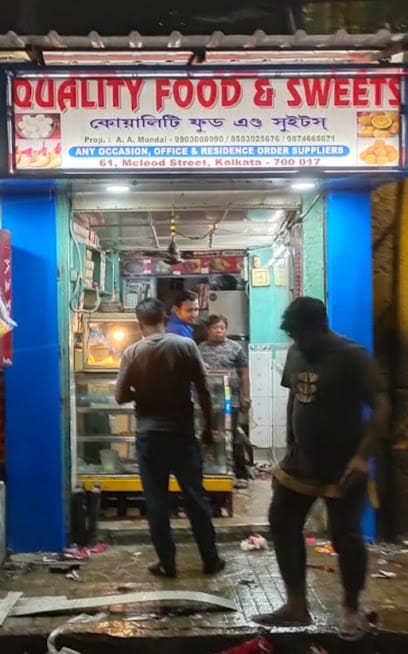
- Rosogolla: The iconic spongy cheese ball soaked in light syrup. While available everywhere, seek out the shops that make them fresh daily.
- Sondesh: Made from chhena (fresh paneer), Sondesh comes in countless forms—from simple, soft, melt-in-your-mouth varieties to elaborate, decorated pieces. Look for Narkel Narkel (coconut) or Aam Sandesh (mango) depending on the season.
- Mishti Doi (Sweetened Yogurt): Served in small earthenware pots (bhar), this baked, caramelized yogurt offers a creamy, subtly sweet finish to any heavy meal.
The Beverages
Don't forget to hydrate with local flair!
- Lassi/Ghol: Sweet, thick yogurt drinks, often served frothy.
- Lebu Cha (Lemon Tea): A refreshing alternative to standard chai, especially popular in older markets.
Making Your Tour Unique: Tips for the Adventurous Eater
To elevate your experience beyond the standard tourist route, incorporate these strategic tips:
Embrace the Off-Peak Hours
While evenings are popular, visiting certain stalls mid-morning can reveal specialties not available later. For example, some specialized luchi (puffed bread) vendors only operate until 11 AM, pairing perfectly with aloo-dom (spicy potato curry).
Learn a Few Key Phrases
While many vendors speak English, knowing a few Bengali words goes a long way in building rapport and enhancing the experience:
- Ekta din (One piece)
- Jhal kom (Less spicy)
- Khub bhalo (Very good)
Don't Fear the Unfamiliar
The most unique culinary walking tour experience often involves trying something you can't pronounce. If your guide points out a dish like Tok Doi (sour yogurt) or a specific kind of telebhaja, trust their judgment. These are the hidden gems that define the local palate.
The Art of the Shared Plate
Street food is communal. Ordering one of everything and sharing allows you to sample more items without getting overstuffed. This is where the guidance of a local expert shines, helping you prioritize the must-haves.
Navigating Logistics: Planning Your Food Walk
A well-planned food tour ensures maximum enjoyment and minimal stress.
Choosing the Right Tour Operator
When booking, look for tours that emphasize small groups and local expertise. A good tour should clearly state the neighborhoods covered and the approximate number of tasting stops (usually 7 to 10).
Timing and Duration
Most comprehensive food walks last between 3 to 4 hours. The best time to start is late afternoon (around 4:00 PM), allowing you to cover afternoon snacks, transition into evening favorites, and finish with a light dessert before dinner time.
What to Wear and Carry
- Comfortable Footwear: You will be walking extensively on uneven pavements. Prioritize comfort over style!
- Light Layers: Kolkata weather can be unpredictable. A light shawl or jacket is useful for air-conditioned interiors or cooler evenings.
- Cash (Small Denominations): Street vendors prefer exact change. While some larger establishments accept digital payments, cash is king on the lanes.
- Hand Sanitizer: Essential for pre-snack hygiene.
Dietary Restrictions and Customization
If you have allergies or dietary restrictions (vegetarianism, gluten intolerance), always communicate this before booking. A customized tour can navigate the best vegetarian chaat stalls or ensure non-meat options are prioritized. While many street food stalls focus on non-vegetarian items, Kolkata has an incredibly rich vegetarian street food tradition that a specialized guide can unlock.
Beyond the Plate: The Cultural Context
A truly unique culinary walking tour experience in Kolkata connects the food to the city’s spirit.
The Role of Tea (Chai)
Tea in Kolkata is a serious affair. It’s the social glue. Whether you are sipping Lal Cha (strong, milky, sweet tea) or the more complex Masala Chai, this is your moment to pause, observe the flow of life, and chat with your guide about local customs.
The Adda Culture
Adda refers to an informal, often spirited intellectual discussion. You will notice locals lingering over their snacks, debating politics, literature, or cricket. While you’re enjoying your telebhaja, take a moment to appreciate the atmosphere—this is the authentic Kolkata rhythm.
When to Visit for the Best Flavors
While Kolkata is a year-round food destination, the absolute best time to experience the richness of Bengali cuisine is during the winter months (November to February). This is when seasonal ingredients like fresh Nolen Gur (date palm jaggery) are harvested, leading to the most exquisite sweets.
Conclusion: Taste the Soul of the City
Embarking on a culinary walking tour in Kolkata is an investment in memory-making. It’s a sensory overload—the sizzle of oil, the aroma of toasted spices, the sharp tang of tamarind, and the incredible warmth of the people serving you.
By choosing a guided experience, you are not just following a map; you are being ushered into centuries of culinary tradition. Don't just eat the food; understand the history behind every bite.
Ready to discover the hidden flavors only locals know? Use tools designed to connect you instantly with the best local experts and experiences. Your ultimate Kolkata food adventure awaits!