More Info
How Bino Helps?
Bino simplifies your search for authentic Bobbili Veena instruments in Sivadavalasa by connecting you directly with local artisans and verified sellers via WhatsApp. Share your requirements (size, wood type, budget), and Bino will curate options from multiple sources, provide price comparisons, and even negotiate bulk purchase discounts on your behalf. Our platform verifies craftsmanship authenticity to ensure you receive traditional veenas made with jackwood and seasoned artisanship.
Bobbili Veena Craftsmanship
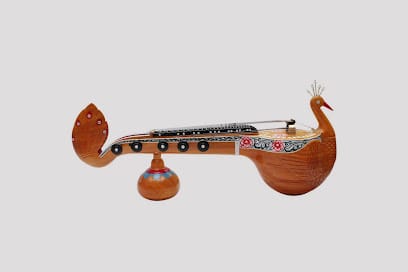
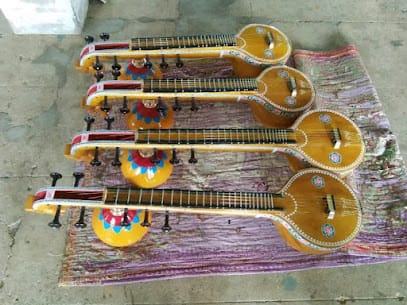
The Bobbili Veena, a GI-tagged instrument, is crafted exclusively in Vizianagaram district using seasoned jackwood. Each veena requires 15-45 days of meticulous carving by hereditary artisans, featuring a unique 'Ekanda Veena' construction from single wood block.
Material Selection
Authentic veenas use aged jackwood (3+ years dried) for optimal resonance. Beware of imitations using cheaper woods – Bino verifies material authenticity through local craft councils.
Customization Options
Many artisans accept orders for custom tunings, inlay work (ivory or silver), and size variations (32-54 inches). Bino can coordinate specific requests with multiple craftsmen simultaneously.
Frequently Asked Questions
How to verify authentic Bobbili Veena?
What maintenance does the veena require?
Can I commission a left-handed veena?
The Golden Resonance: Your Ultimate Guide to Buying Handcrafted Bobbili Veena Instruments in Sivadavalasa, Vizianagaram
Welcome, discerning musician and lover of traditional Indian craftsmanship! If you are searching for the soul-stirring sound of the Bobbili Veena, you have landed in the right place. This magnificent, handcrafted string instrument, deeply rooted in the heritage of Andhra Pradesh, holds a unique place in Carnatic music.
The epicenter of authentic Veena making lies within the historic region of Vizianagaram, particularly in the cluster of villages surrounding Bobbili, including the dedicated artisan hub of Sivadavalasa.
This comprehensive guide will walk you through everything you need to know to select, compare, and purchase a truly authentic, handcrafted Bobbili Veena, ensuring you get the best instrument that sings for generations.
Why the Bobbili Veena is Unique
Before diving into the buying process, it’s essential to understand what makes the Bobbili Veena (often referred to simply as the Bobbili Vina) so special.
The Bobbili Veena is distinct from the Saraswati Veena primarily due to its construction style and the specific wood used, which imparts a characteristic deep, resonant, and slightly metallic tone preferred by many Carnatic maestros. It is an instrument steeped in history, traditionally crafted by families whose knowledge has been passed down orally through centuries.
Key Characteristics:
- Single Piece Construction: Traditionally, the primary components (the dandi or neck and the kudam or resonator) are carved from a single log of wood, ensuring superior resonance and structural integrity.
- Wood Selection: High-quality instruments utilize aged Jackwood (Artocarpus heterophyllus), prized for its density and acoustic properties.
- Artisan Touch: Every curve, inlay, and tuning peg reflects the individual skill and intuition of the maker—no two handcrafted Veenas are exactly alike.
Finding Authenticity in Sivadavalasa: The Artisan Ecosystem
Sivadavalasa, near Bobbili in the Vizianagaram district, is not just a location; it’s a living tradition where master craftsmen dedicate their lives to this art form. When you buy here, you are supporting a direct lineage of musical heritage.
Comparing the Artisans: What to Look For
The quality of a Bobbili Veena is intrinsically linked to the reputation and experience of the artisan. While specific family names are often known within musical circles, understanding what they specialize in is crucial.
1. Experience and Lineage: Inquire about how long the artisan’s family has been making Veenas. Deep roots often translate to better wood selection knowledge and time-tested carving techniques.
2. Specialization: Some makers might excel in producing Veenas optimized for deep bass resonance, while others might focus on ease of playability for traveling musicians. If you know your musical requirements, this specialization matters.
3. Customization Capabilities: A true master can adjust the thickness of the yali (the decorative dragon head), the curve of the neck, or the size of the resonator to suit the player's physical comfort and desired tonal profile.
Bino Insight: Navigating this specialized local ecosystem can be challenging if you are unfamiliar with the area. Using a platform like Bino allows you to quickly search and compare verified local artisans in Sivadavalasa based on reviews and specialization, streamlining your initial research before you even visit.
Essential Materials Check: Wood, Metal, and Finish
The longevity and sound quality of your Veena depend entirely on the materials used. Never compromise on these core components.
| Component | Ideal Material | Why It Matters |
|---|---|---|
| Main Body (Kudam & Dandi) | Aged, dense Jackwood (Tika) | Provides the primary resonance chamber and structural stability. Must be properly seasoned (often dried for years). |
| Frets (Pattas) | High-quality Brass or Melamine | Must be perfectly level and tightly fitted to prevent buzzing. Brass is traditional; modern alternatives offer durability. |
| Tuning Pegs (Kothalu) | Hardwood (like Ebony) or Brass | Needs to hold tension securely without slipping or cracking. |
| Bridge (Nadai) | Hardwood or Bone | Influences string height and clarity of the fundamental tone. |
| Strings | High-tension, quality metal strings | While replaceable, the quality affects initial setup and tuning stability. |
A Word on Weight: A well-made, solid wood Bobbili Veena will have a satisfying weight. If it feels too light, it might indicate thinner wood or excessive hollowing, which compromises sustain.
Navigating Price Points: What Determines the Cost?
The price of a Bobbili Veena varies significantly, often ranging from moderate to very high, depending on the craftsmanship and materials. Understanding the cost breakdown helps you justify your investment.
Factors Influencing Price
- Wood Quality and Age: The most significant factor. A Veena carved from decades-old, perfectly seasoned Jackwood commands a premium price.
- Artisan Reputation: Instruments made by historically renowned families will naturally carry a higher price tag due to guaranteed quality and legacy.
- Complexity of Inlay and Finish: Intricate ivory (or synthetic substitute) inlays, detailed brass work, and a multi-layer polishing process add labor costs.
- Single-Block Construction: Veenas carved from a single piece of wood are inherently more expensive to source and craft than those assembled from multiple pieces.
Setting a Realistic Budget
When budgeting, remember you are purchasing a musical instrument and a piece of portable art.
- Entry/Student Level: These are often made with slightly younger wood or may be assembled from multiple pieces. They are suitable for beginners learning the basics.
- Professional/Concert Level: These instruments feature single-block construction, aged wood, superior fretwork, and are signed off by a master craftsman. Expect a significant investment here.
Pro Tip: Never negotiate solely on price without understanding the material specifications. A cheaper Veena that requires constant repair or has poor sustain is ultimately more expensive in the long run.
The Selection Process: Testing Your Future Instrument
Buying a Veena in person in Sivadavalasa allows you the invaluable opportunity to play and inspect the instrument before purchase.
Step 1: Visual Inspection (The Craftsmanship Check)
- Check the Finish: The finish should be smooth, deep, and even. Look for any signs of rushed polishing or uneven grain filling.
- Examine the Fretboard (Dandi): Run your hand gently along the neck. The frets must be perfectly flush with the wood. Any slight ridge or gap can cause buzzing or hinder smooth gamakas (slides).
- Inspect the Resonator (Kudam): Look for tight seams (if assembled) or flawless grain patterns (if single-block). The surrounding wood rim should be strong and well-seated.
- The Yali: The carved dragon head should be aesthetically pleasing and structurally sound, securely holding the main tuning pegs.
Step 2: The Sound Test (The Sonic Evaluation)
This is where the instrument truly speaks to you. If you are not an expert player, bring a trusted musician or teacher with you.
- Tuning Stability: Tune the main strings (Tara sthayi) and let them sit for 10-15 minutes. Do they hold their pitch? Poorly seasoned wood or cheap pegs will cause rapid detuning.
- Sustain and Resonance: Pluck a main string firmly. The sound should ring out clearly, decaying slowly. Listen for any "dead spots" along the length of the neck.
- Fret Clarity: Play notes across all frets, especially the higher ones. Listen for buzzing or a muffled sound, which indicates poor fret seating.
- Drone Strings (Talam): Check the drone strings for a clear, consistent hum that complements the main melody strings.
Bino Assistance: If you are planning a trip to Sivadavalasa but need to shortlist potential sellers beforehand, you can use Bino on WhatsApp to send out targeted queries: "Best Bobbili Veena artisan in Sivadavalasa specializing in Jackwood concert models." This helps you arrive prepared, armed with a shortlist of masters to visit.
Logistics of Purchase and Care
Once you have selected your dream Veena, a few final considerations ensure a smooth transition from the artisan’s workshop to your home.
Negotiation and Documentation
In traditional artisan clusters, pricing is often based on established community rates, but there is usually room for courteous negotiation, especially if purchasing a high-end instrument.
- Insist on a Receipt: Ensure the receipt clearly states the material (e.g., Aged Jackwood) and the artisan’s name/workshop name. This documentation is vital for insurance or future valuation.
- Ask About Warranty: Reputable makers often provide a short warranty covering structural defects or major fret slippage within the first few months.
Transportation and Initial Care
A Bobbili Veena is delicate. Improper handling during transport can cause irreversible damage.
- Hard Case is Non-Negotiable: Never transport an un-cased Veena. Ensure the artisan provides a sturdy, padded hard case that fits the instrument snugly.
- Climate Control: Avoid exposing the instrument to extreme temperature fluctuations immediately after purchase, especially if traveling from a different climate zone. Rapid changes can cause the wood to crack.
- Initial Tuning: Allow the instrument several days to acclimatize to your home environment before attempting a full, high-tension tuning.
Maintenance for Longevity
To keep your Bobbili Veena sounding its best:
- Humidity Control: Wood breathes. Store the instrument away from direct sunlight, heating vents, or damp basements. A consistent, moderate humidity level is ideal.
- Cleaning: Wipe down the wood gently after use. Use only specialized, light wood polish if necessary; avoid harsh chemical cleaners.
- String Changes: Replace strings regularly (especially if playing frequently). Always change them one set at a time to avoid sudden, drastic tension loss that could warp the neck.
Conclusion: Bringing Home the Legacy
Purchasing a handcrafted Bobbili Veena in Sivadavalasa is more than a transaction; it is an act of preserving cultural artistry. By understanding the materials, valuing the artisan’s skill, and thoroughly testing the instrument's resonance, you ensure that the golden voice of this magnificent instrument accompanies your musical journey for years to come.
When you are ready to connect with these masters and find the perfect instrument that matches your skill level and budget, remember that local expertise is just a message away. Bino is here to bridge the distance, connecting you directly with the authentic heartbeat of Vizianagaram’s Veena tradition. Happy searching, and may your music resonate deeply!