More Info
How Bino Helps?
Bino is your go-to WhatsApp-based search platform for finding unique cultural immersion experiences in Leh-Ladakh. Whether you're looking for homestays with local families or traditional cooking classes, Bino will scour various networks and databases to provide you with the best options. By contacting local businesses on your behalf, Bino ensures that you receive personalized recommendations tailored to your preferences. Experience the rich culture of Leh-Ladakh like never before with Bino's assistance.
Why Choose Cultural Immersion in Leh-Ladakh?
Leh-Ladakh is not just a destination; it's a cultural tapestry woven with rich traditions, vibrant festivals, and warm hospitality. Engaging in cultural immersion experiences allows travelers to connect deeply with the local way of life. Staying with local families in homestays provides insights into daily routines, customs, and the unique Ladakhi lifestyle. Additionally, traditional cooking classes offer hands-on experience in preparing authentic Ladakhi dishes, making your trip memorable and enriching.
What to Expect from Homestays and Cooking Classes?
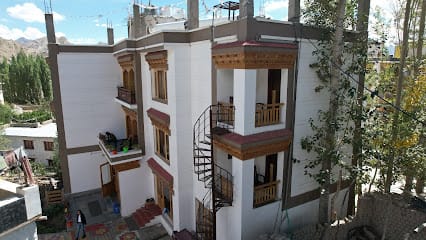
Homestays in Leh-Ladakh typically offer comfortable accommodations with local families, where you can enjoy home-cooked meals and participate in daily activities. Cooking classes often include learning about local ingredients, traditional cooking methods, and the cultural significance of various dishes. Expect a warm welcome, engaging conversations, and a chance to create lasting memories.
Frequently Asked Questions
What is the best time to visit Leh-Ladakh for cultural immersion?
How do I book a homestay or cooking class in Leh-Ladakh?
Are cultural immersion experiences suitable for families?
Your Ultimate Guide to Authentic Cultural Immersion in Leh-Ladakh
Ladakh—the 'Land of High Passes'—is more than just dramatic landscapes and breathtaking mountain vistas. It is a realm steeped in ancient Tibetan Buddhist traditions, resilient local cultures, and a way of life perfectly adapted to one of the planet's harshest yet most beautiful environments.
If you’re planning a trip to this high-altitude desert, moving beyond the standard tourist circuit and diving into genuine cultural immersion experiences in Leh-Ladakh is what will transform your journey from a vacation into a profound adventure.
This comprehensive guide will walk you through how to connect authentically with the Ladakhi people, understand their unique heritage, and participate in their daily rhythms.
Why Seek Cultural Immersion in Leh-Ladakh?
Many travelers visit Ladakh for the views, but the true magic lies in its people. The Ladakhi culture is a fascinating blend of Tibetan Buddhist philosophy, ancient trade routes, and self-sufficiency. By choosing cultural immersion, you:
- Gain Deeper Understanding: Learn about the challenges and triumphs of life at extreme altitudes.
- Support Local Economies: Direct spending benefits local families and helps preserve traditions against modern pressures.
- Experience Authentic Hospitality: Move beyond hotel anonymity and share meals and stories with welcoming local hosts.
The Heart of the Experience: Choosing the Right Homestay
The cornerstone of any meaningful cultural journey in Ladakh is the Ladakhi homestay. Staying with a local family offers unparalleled insight into daily life.
### Finding the Perfect Homestay
While online booking platforms exist, for truly authentic experiences, consider tapping into local networks. This is where platforms like Bino shine. Instead of scrolling through generic listings, you can use Bino to quickly search for verified, locally recommended homestays in specific villages outside the main Leh town, ensuring a more intimate setting.
Key Considerations When Booking:
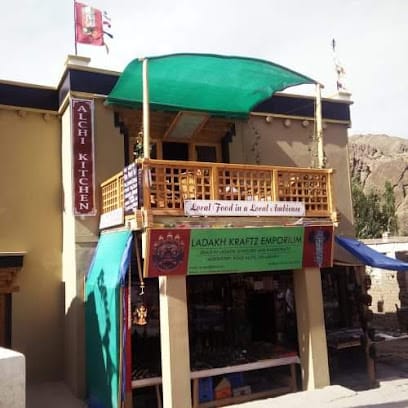
- Location Matters: Do you want the bustling energy near Leh, or the quiet solitude of villages like Alchi, Lamayuru, or Turtuk (in Baltistan)? Villages further afield offer deeper immersion.
- Facilities vs. Authenticity: Be prepared for basic amenities. Hot water might be limited, and heating often relies on traditional wood-burning stoves (bukharis). Embrace this simplicity—it’s part of the cultural exchange.
- Language: Most younger hosts in Leh speak some English, but in remote areas, knowing a few basic Ladakhi phrases (or having a translation app handy) goes a long way.
### Etiquette: Respecting Your Ladakhi Hosts
Cultural exchange is a two-way street. Showing respect for your hosts' traditions is paramount:
- Greetings: A gentle "Julley" (hello/greetings/thank you) is always appreciated.
- Dress Code: While Ladakh is generally relaxed, dress modestly, especially when inside the home or visiting monasteries. Cover shoulders and knees.
- Gifts: Bringing a small, thoughtful gift from your home region is a wonderful gesture, but never feel obligated to offer expensive items. Your presence and interest are the best gifts.
- Photography: Always ask permission before taking photos of family members, especially elders or monks.
Culinary Immersion: Mastering the Ladakhi Kitchen
Food is the universal language of culture. Learning to cook traditional Ladakhi fare goes far beyond just eating it; it teaches you about the region’s agricultural limitations and resourcefulness.
### Traditional Cooking Classes: Beyond the Tourist Trail
Many homestays offer impromptu traditional cooking classes, often happening naturally when the family prepares the evening meal. Seek out experiences focused on staple dishes.
Dishes You Must Learn to Prepare:
- Momo (Dumplings): While found across the Himalayas, the Ladakhi version—often stuffed with yak meat or local vegetables—is subtly different. Mastering the folding technique is half the fun!
- Thukpa (Noodle Soup): Essential for cold evenings, learning the balance of broth, noodles, and hardy greens is key.
- Skyu: Perhaps the most traditional dish, Skyu is a dense stew made from hand-rolled pasta pellets and root vegetables. It speaks volumes about utilizing every available resource.
- Butter Tea (Gur-Gur Cha): This salty, buttery tea is a cultural institution. It’s an acquired taste for many visitors, but understanding its purpose—providing essential calories and hydration at high altitude—is crucial.
Bino Tip: You can use Bino to search specifically for "homestays offering cooking workshops near Alchi" to filter results based on hands-on culinary experiences rather than just restaurant recommendations.
### Understanding Local Ingredients
Ladakhi agriculture is dictated by short growing seasons. Immersion means understanding why certain ingredients dominate: barley (sattu), potatoes, peas, and apricots. Discussing the annual harvest with your host family provides a direct link to the land.
Monastic Life: Understanding the Spiritual Core
Ladakh is inextricably linked to Tibetan Buddhism. Visiting the famous monasteries (Gompas) is necessary, but true immersion involves engaging respectfully with the monastic community.
### Behind the Scenes at the Gompa
While tourists flock to Thiksey and Hemis for morning prayers, try arranging a visit to a smaller, more remote monastery.
Tips for Deeper Engagement:
- Attend Morning Puja: Arrive early (often before sunrise) to witness the monks chanting, the deep resonance of the long horns (dung-chen), and the rhythmic drumming. Observe quietly from the back.
- Interact with Young Monks: If permitted, engage briefly with younger monks who are often eager to practice their English and share their perspectives on monastic life.
- Volunteer Opportunities (Use Caution): Some smaller monasteries occasionally accept short-term, non-intrusive help (e.g., helping clean common areas or tending a small garden). Always coordinate this through your homestay host or a trusted local guide to ensure you are not imposing.
### Exploring Prayer Flags and Mani Walls
Cultural immersion is also about noticing the details. Learn the significance of the brightly colored prayer flags (lungta)—they aren't decorations; they are prayers carried by the wind. Understand the meaning behind the carved Mani stones that line trails and sacred sites.
Experiencing Ladakhi Art, Craft, and Heritage
Ladakhi heritage is preserved through intricate handicrafts that have sustained communities for centuries.
### Traditional Arts Workshops
Seek out workshops focused on traditional arts rather than just souvenir shopping:
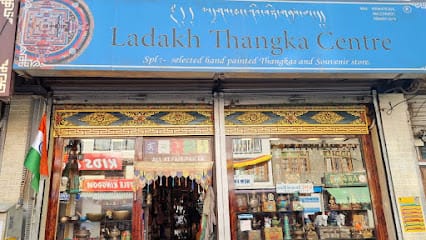
- Thangka Painting: These detailed religious scroll paintings take years to master. Some monasteries or specialized art schools offer introductory workshops where you can learn the basic geometry and color mixing.
- Apricot Kernel Oil Production: In the apricot-growing regions (like near Turtuk or Nubra Valley), observe or participate in the laborious process of extracting oil from the kernels, used both for cooking and skin protection in the arid climate.
- Local Weaving: Learn how local wool (often from Pashmina goats or sheep) is spun, dyed using natural pigments, and woven into the thick, warm pattu fabric worn by many elders.
Pro Tip: When purchasing crafts, always ask who made the item. Buying directly from the artisan ensures your money supports the craftsperson, not just an intermediary in Leh market.
Connecting with Nomadic Life: The Changpa Experience
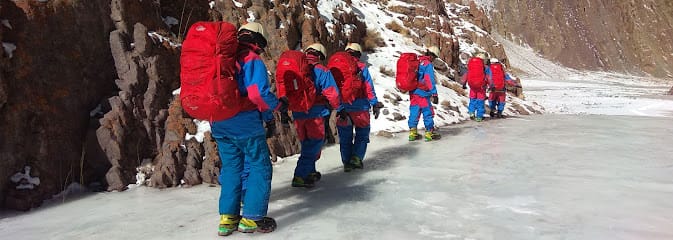
For the most profound shift in perspective, seek out experiences connecting with the semi-nomadic Changpa people who herd Pashmina goats in the high plateaus of Changthang.
Note: This is the most sensitive form of immersion and requires careful, respectful planning, usually facilitated by experienced local trekking agencies or trusted contacts.
### A Day in the Life of a Herder
Spending a night or two in a temporary Changpa settlement offers an unparalleled glimpse into high-altitude resilience.
- The Yak and the Tent: Learn how they manage their herds of yaks and Pashmina goats, vital for survival. Understand the construction and function of the traditional yak-hair tent (Rebo).
- The Vastness: Witness firsthand how their lives are dictated by grazing patterns and the extreme seasonal changes. Their concept of time and community is vastly different from urban life.
- Sharing Stories: If you are invited to share gur-gur cha in their tent, listen intently. Their oral traditions are rich repositories of local history.
Bino Insight: If you’re looking for responsible, vetted Changpa trekking itineraries, Bino can connect you with local guides known for their ethical approach to nomadic tourism, ensuring the well-being of the community remains the priority.
Practicalities for Deep Cultural Travel
Cultural immersion requires flexibility and preparation, especially in a region like Ladakh where infrastructure is basic outside of Leh city.
### Altitude Acclimatization and Health
You cannot immerse yourself if you are sick. Acclimatization is non-negotiable.
- Spend the first 48 hours in Leh (11,000 ft) resting.
- Avoid strenuous activity or alcohol initially.
- Hydrate constantly. Embrace the local advice to drink plenty of water and tea.
### Sustainable and Ethical Travel Practices
Authentic cultural immersion demands responsibility:
- Waste Management: Carry out everything you carry in. Ladakh faces significant waste management challenges; do not leave non-biodegradable trash behind.
- Water Consumption: Purchase large reusable water containers rather than single-use plastic bottles. Ask your homestay if they have filtered water available.
- Respecting Sacred Spaces: Always remove your shoes before entering homes or monasteries. Speak softly in sacred areas.
### Learning Key Phrases
While English is spoken in tourist hubs, knowing a few Ladakhi phrases shows respect and opens doors:
| English | Ladakhi (Phonetic) | Meaning |
|---|---|---|
| Hello/Greetings | Julley | Used for hello, goodbye, thank you |
| Thank You | Khyerang-la | Formal thank you |
| Good Morning | Namgyal-la | Good day/blessings |
| Water | Chu | Essential for asking for drinks |
Conclusion: Taking the Culture Home
Cultural immersion in Leh-Ladakh is not about ticking boxes; it’s about slowing down, observing, listening, and participating with genuine humility. When you share a meal cooked over a dung-cake fire, when you help sort dried apricots, or when you simply sit in silence watching the sunset paint the Stok Kangri range, you are not just a tourist—you are a temporary guest in a timeless land.
By choosing authentic experiences like homestays and hands-on workshops, you ensure that the vibrant culture of Ladakh remains preserved, shared with respect, and ready to welcome the next thoughtful traveler. Start your search today, and prepare for a journey that touches the soul.