More Info
How Bino Helps?
Bino is your go-to WhatsApp-based search platform that specializes in finding authentic products and services. For users looking for traditional Santipur sarees, Bino simplifies the search process by comparing various online and local options, contacting nearby businesses, and suggesting the best choices tailored to your preferences. All you need to do is message us your requirements, and Bino will take over, ensuring you find the perfect saree that features intricate handwoven designs and distinctive motifs.
What Makes Santipur Sarees Unique?
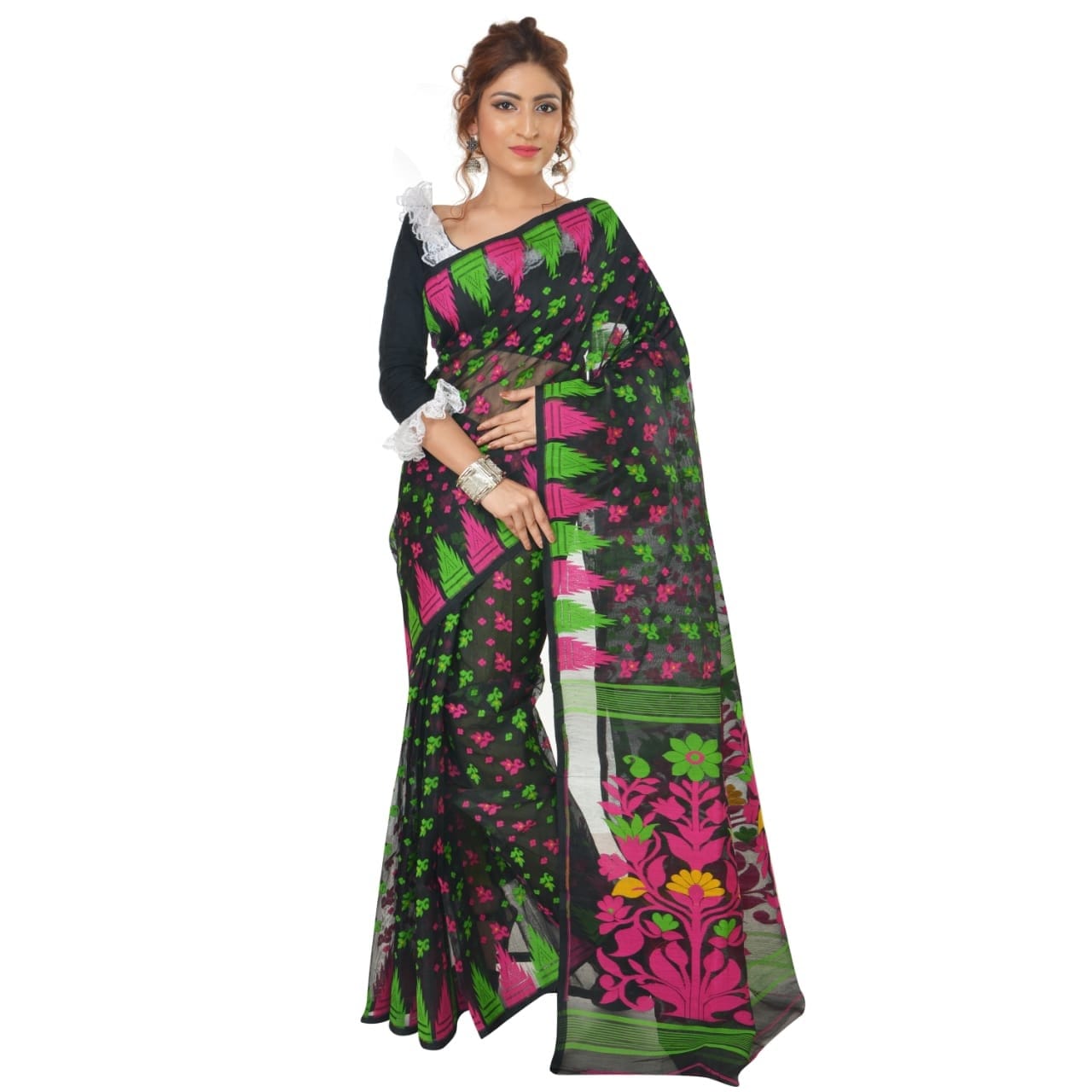
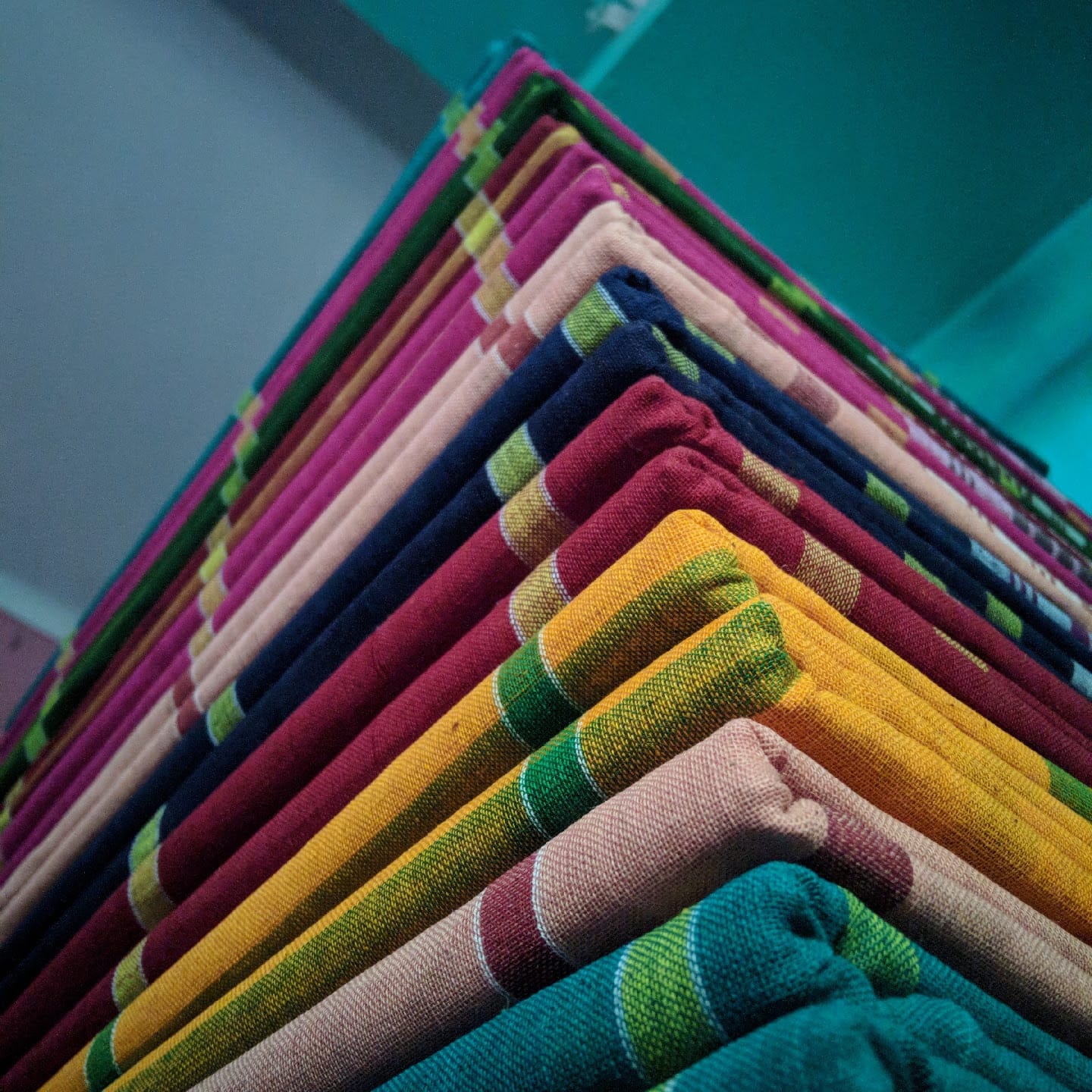
Santipur sarees are renowned for their delicate craftsmanship and vibrant motifs which reflect the rich cultural heritage of West Bengal. Artisans use traditional handloom techniques to create these masterpieces, making each piece unique. The intricate patterns often depict local flora, fauna, and traditional designs that tell stories of the region.
How to Choose the Right Saree?
When selecting a Santipur saree, consider factors such as fabric type, color palate, and design motifs. Cotton and silk are popular choices, as they enhance the saree's overall elegance. Additionally, think about the occasion; lighter, vibrant colors may be suited for daily wear, while deeper hues with intricate designs can be perfect for celebrations or ceremonies.
Frequently Asked Questions
Where can I buy authentic Santipur sarees?
What is the price range for Santipur sarees?
Are Santipur sarees suitable for all occasions?
The Timeless Elegance of Santipur Sarees: A Comprehensive Guide to Nadia's Handloom Treasure
Welcome to the enchanting world of Santipur Sarees! If you’re searching for a piece of textile history, a garment that whispers tales of Bengal’s rich weaving legacy, you’ve landed in the right place. Nestled in the Nadia district of West Bengal, Santipur is renowned globally for producing some of the most delicate, lightweight, and exquisitely patterned handloom sarees.
This guide will take you deep into the heart of Santipur’s weaving tradition, helping you understand what makes these sarees so special, how to identify authenticity, and where to find the best pieces directly from the weavers. And remember, when you’re ready to explore the finest local weavers and shops near you, a quick search on Bino can connect you instantly!
Unveiling the Heritage: What Makes Santipur Special?
Santipur, located on the banks of the Bhagirathi River, has been a center of fine weaving for centuries. Its sarees are celebrated for their unique blend of traditional motifs and innovative designs, often earning them the prestigious Geographical Indication (GI) tag, recognizing their unique origin and quality.
The Hallmarks of a True Santipur Saree
Unlike the heavy silks of Murshidabad or the elaborate brocades of Varanasi, the Santipur saree is defined by its lightness, transparency, and intricate, woven-in patterns rather than heavy embroidery or zari work.
1. Lightweight and Airy Texture
The most immediate characteristic of a genuine Santipur saree is its incredibly soft and airy feel. This is achieved by using fine, high-quality cotton yarn, often woven in a plain or slightly textured weave. This makes them perfect for the humid climate of Bengal and comfortable for all-day wear.
2. The Fine Weave: Drapability is Key
Santipur weavers master the art of the dobby or jacquard technique to create the patterns directly into the fabric structure. The result is a saree that drapes beautifully, clinging elegantly to the body without stiffness.
3. Motifs: Nature’s Inspiration
The designs are the soul of the Santipur saree. They are deeply rooted in nature and traditional Bengali culture. Look out for:
- Phool (Flower) Motifs: Delicate floral patterns, often geometric or stylized.
- Lata (Creepers): Intricate vine patterns that run along the border and pallu.
- Buti (Small Dots/Butta): Tiny, evenly spaced motifs scattered across the body of the saree.
- Jhumka/Jangla: More complex, elaborate designs, often featuring traditional temple borders or intricate trellis work.
The Weaving Process: A Labor of Love
Creating a single Santipur saree is a testament to patience. The entire process, from yarn preparation to final finishing, is done by skilled artisans, often within their homes.
The warp and weft threads are meticulously set up. The beauty lies in the fact that the pattern is not printed or embroidered onto the fabric; it is woven into the fabric itself using specialized attachments on the handloom. This weaving process can take anywhere from a few days to several weeks, depending on the complexity of the design.
Types of Santipur Sarees: Finding Your Perfect Match
While all Santipur weaves share that signature lightness, they can be categorized based on the materials used and the complexity of the weave.
1. Pure Cotton Santipur Sarees
These are the quintessential traditional offerings. Made entirely from fine cotton, they are prized for their breathability and durability. They are ideal for daily wear, office settings, or casual festive gatherings where comfort is paramount.
2. Cotton-Silk Blends (Tussar/Matka Blends)
To add a subtle sheen and slightly more structure, weavers often blend fine silk threads with cotton. These sarees retain the lightness of cotton but gain a gentle luster, making them suitable for semi-formal events.
3. The Subtle Zari Work
Authentic Santipur sarees use minimal and delicate zari (metallic thread). Unlike Kanjivarams, where zari dominates, Santipur zari work is usually confined to the borders and the pallu (the decorative end piece). It is often woven in a way that makes the border look like a fine lacework rather than heavy metalwork.
4. Tant vs. Santipur
Often, Santipur sarees are grouped with Tant sarees (another famous Bengal cotton weave). While both are cotton and lightweight, Santipur sarees generally feature more intricate, woven-in patterns using finer yarn and more complex loom setups, whereas Tant sarees often rely on bolder, block-printed or simpler woven borders.
How to Authenticate a Genuine Santipur Saree
In a market flooded with machine-made imitations, knowing how to spot a true handloom piece is crucial for preserving this craft and ensuring you receive value for your purchase.
1. Feel the Fabric and Check the Drape
The Touch Test: Run the saree through your fingers. A genuine Santipur saree will feel soft, slightly crisp (but not stiff), and exceptionally lightweight. If it feels heavy, overly stiff, or synthetic, it might be a power loom imitation.
The Transparency Test: Hold a section of the saree body up to the light. You should see the weave structure clearly, and the fabric should appear slightly sheer or translucent.
2. Examine the Weave Structure
Turn the saree inside out. In a high-quality handloom product, the back of the design should look almost as clean as the front, perhaps with slightly looser threads, but never look like a printed image transferred onto the cloth. If the pattern appears flat or if you see visible printing marks, it is not a true woven piece.
3. Inspect the Border and Pallu
Look closely at where the border meets the body. In a genuine handloom piece, the transition will be seamless, created by the intricate manipulation of the loom threads. Look for slight, charming imperfections—these are the signatures of the human hand and proof of authenticity. Perfect uniformity is often a sign of machine production.
4. Look for Weaver Identification (If Buying Direct)
Many established weavers or cooperative societies in Santipur might provide a small tag or label indicating the weaver’s cooperative or the product’s GI registration number.
Bino Tip: If you are shopping locally in Nadia or looking for weavers who sell directly, use Bino to search for verified cooperative societies or known handloom vendors in the Santipur area. This cuts out middlemen and ensures you get the most authentic product at a fair price.
Practical Guide: Buying Your Santipur Saree
Whether you are visiting Nadia or shopping online from afar, here are essential tips for making a successful purchase.
When Visiting Nadia (The Authentic Experience)
If you have the opportunity to travel to Nadia, visiting the weaving clusters is an unparalleled experience.
- Go to the Source: Seek out the main weaving hubs within Santipur. Interacting directly with the artisans allows you to understand the process and negotiate fairly.
- Ask About Yarn Count: A higher yarn count (finer thread) generally means a higher quality and more expensive saree. Don't hesitate to ask the weaver what count of cotton or silk they have used.
- Be Patient: The best pieces are not always on display. Ask to see their latest inventory or custom orders.
Shopping Online or Remotely
Buying handloom online requires trust. Here’s how to mitigate risks:
- Prioritize High-Resolution Photos: Demand clear, close-up shots of the pallu, border, and the texture of the body fabric. Check the weave definition carefully.
- Understand Care Instructions: Always confirm that the saree is dry-clean only or requires gentle hand washing, as delicate cotton weaves can shrink or lose shape if machine washed.
- Check Return Policies: Reputable sellers of traditional textiles will always offer clear return or exchange policies, especially if the product description doesn't match the delivered item.
Pricing Your Purchase
The price of a Santipur saree varies wildly based on:
- Yarn Quality: Finer yarn costs more.
- Zari Content: Sarees with more woven zari will be pricier.
- Weaving Time: Complex, time-consuming motifs command a higher price.
A simple, everyday cotton Santipur saree will be considerably less expensive than a finely woven piece with intricate, multi-colored jangla patterns. Do not expect a true handloom piece to be exceptionally cheap; remember you are paying for skilled human labor and heritage preservation.
Caring for Your Prized Possession
A Santipur saree is an investment meant to last generations if cared for properly.
Initial Wash
It is highly recommended to pre-wash your saree before the first wear. Soak it gently in cold water with a mild detergent (or just natural soap flakes). Do not wring it aggressively.
Washing Routine
- Gentle Hand Wash: Always prefer hand washing. Use cold water.
- Avoid Harsh Chemicals: Never use bleach or strong stain removers, as these can damage the delicate cotton fibers and the woven motifs.
- Natural Drying: Dry the saree in the shade. Direct sunlight can cause the colors to fade unevenly.
Storage
- Avoid Plastic: Never store fine cotton sarees in plastic bags, as they need to breathe. This can lead to mildew or yellowing.
- Soft Wrapping: Store them wrapped in clean, unbleached cotton cloth or muslin.
- Folding: Fold them loosely. If storing for long periods, change the folds every few months to prevent permanent creases from setting in.
Preserving the Legacy
The handloom industry faces immense challenges from mass-produced textiles. By choosing an authentic Santipur saree, you are doing more than just buying clothing—you are directly supporting the livelihood of hundreds of weaving families in Nadia.
When you seek out these beautiful textiles, you are participating in the continuation of a legacy passed down through generations. Whether you are looking for a subtle piece for your daily elegance or a statement piece for a grand occasion, the Santipur Saree offers unmatched grace, comfort, and cultural depth.
Ready to start your search for the perfect handwoven treasure? For the most reliable local connections to weavers and sellers specializing in authentic Nadia handlooms, let Bino guide your way! Happy weaving hunting!